BRICS Grain Exchange: Russia and Egypt Move Toward New Trading Platform Beyond the Dollar
Russia and Egypt are advancing cooperation to establish a new BRICS Grain Exchange, a move that could reshape grain pricing and trading mechanisms within the economic bloc.
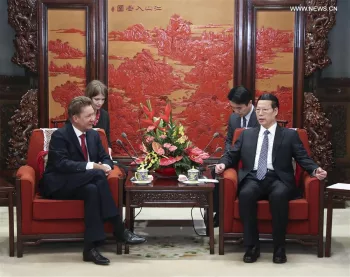
Igor Artemyev, head of the St.
Petersburg International Mercantile Exchange, announced that both sides signed a memorandum of understanding to deepen collaboration between their commodity exchanges, paving the way for launching a BRICS Grain Exchange under the broader framework of the group.
A Strategic Shift Away from the Dollar
As the world’s largest wheat exporter, Russia aims to develop new financial instruments that support trade and reduce reliance on the US dollar, particularly amid ongoing Western sanctions.
The proposed BRICS Grain Exchange is seen as part of this broader strategy to create a more independent trading system.
The agreement includes plans to simplify trading procedures and explore reciprocal market access for brokers and companies in both countries, enhancing liquidity and transparency in grain markets.
Political Backing from BRICS Leaders
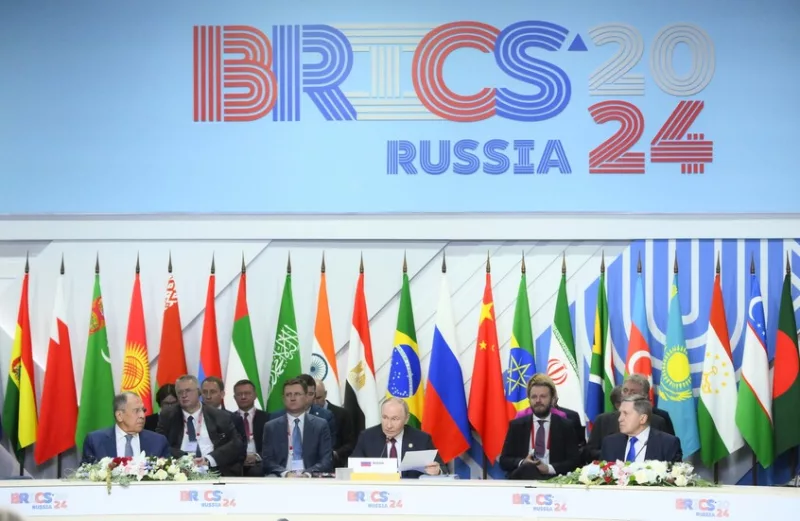
Russian President Vladimir Putin stated that BRICS countries—among the largest global producers of grains, pulses, and oilseeds—are well positioned to establish such an exchange, with potential expansion to other commodities in the future.
BRICS leaders have endorsed the plan, aiming to strengthen economic integration among members including Brazil, Russia, India, China, South Africa, and Egypt.
Analysts suggest that the creation of a BRICS Grain Exchange could grant member states greater influence over global grain pricing and reinforce their role in reshaping international agricultural trade dynamics.